
Background
Fifteen years between the science and the submission.
A career that has traced the full width of the discipline — from mechanistic investigative toxicology inside one of the world's largest pharmaceutical organizations to functional safety leadership at the venture-backed companies defining the next generation of genetic medicines.
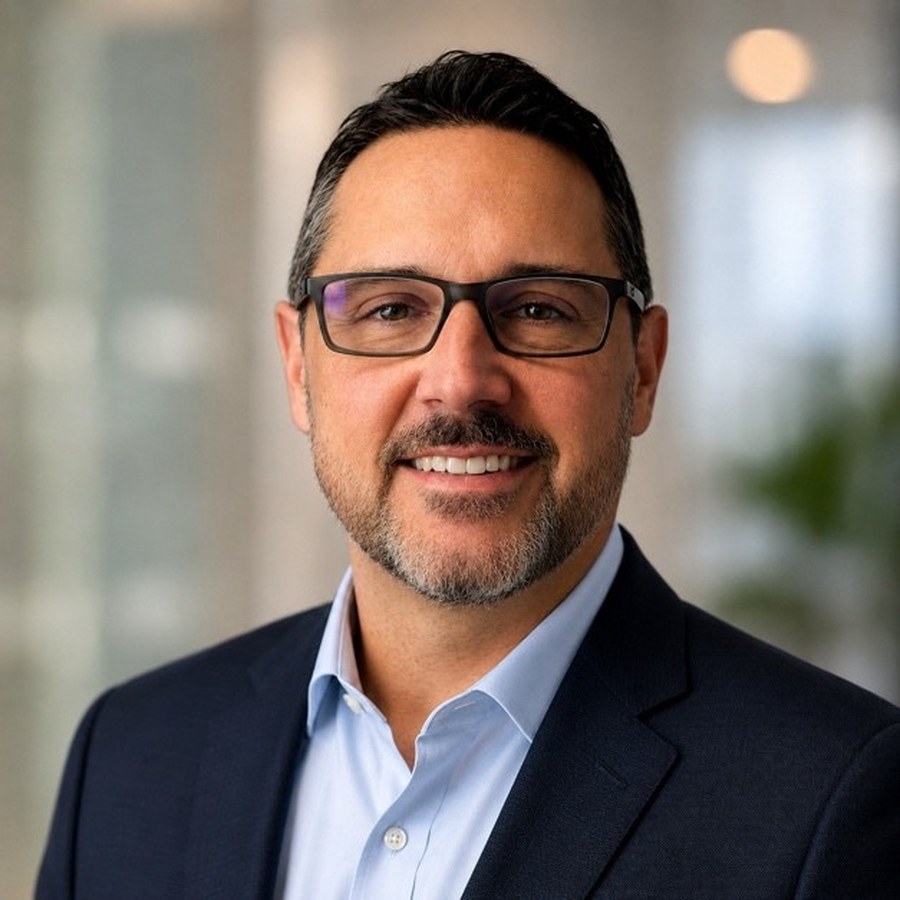
Nonclinical Safety & Preclinical Development
In practice
The person a development-stage company brings in when a program has to survive contact with a regulator.
Marc has authored and defended the nonclinical foundations of multiple INDs, including filings cleared without preclinical inquiries — an outcome that reflects the discipline of anticipating what a reviewer will ask before they ask it.
Regulatory outcomes, not regulatory activity
At Design Therapeutics he took DT-168 through IND filing with no preclinical questions raised, working on novel DNA trinucleotide-repeat-binding polyamide constructs for which no regulatory precedent existed. At Dyne Therapeutics he delivered IND clearance for DYNE-251, a dystrophin-targeted antibody-oligonucleotide conjugate, assembling the nonclinical package that substantiated its safety on the timeline the program demanded. Earlier, at Pfizer, he authored four lab-developed-test reports accepted by the FDA as IND amendments supporting phase 1b oncology trials.
Functional leadership and portfolio ownership
As Senior Director and Head of Nonclinical Safety at Sarepta Therapeutics, Marc held full accountability for a $25M safety portfolio built on exon-skipping oligonucleotides and AAV delivery, leading a team of seven — five toxicologists and two immunologists — across concurrent programs. He set the strategy that determined which liabilities were investigated, which were monitored, and which warranted escalation to program leadership. He has authored and defended responses to global regulatory inquiries and represented preclinical safety directly in health-authority interactions, without intermediaries.
A foundation in the science itself
Before moving into safety leadership, Marc spent eleven years at Pfizer in molecular pathology and investigative toxicology, ultimately as Director of Investigative Toxicology. He managed the Investigative Molecular Pathology Laboratory within Drug Safety Research and Development and served as molecular pathology lead to the global investigative antibody-drug conjugate team. In one instance, his characterization work confirmed the absence of target expression in primary tumours and led directly to program termination — redirecting investment before clinical spend. That grounding in mechanism, rather than in study administration alone, is what allows him to interpret a CRO dataset rather than merely receive it.
Education
- DoctoratePh.D., Chemical Biology
Boston College, Graduate School of Arts and Sciences
- UndergraduateB.A., Chemistry
Assumption College
Availability
Open to Head of Nonclinical Safety, VP, and preclinical development leadership roles.
Having deliberately unwound his geographic commitments, Marc is unconstrained in location for the right organization and the right science.
Context
The environments this work lives in
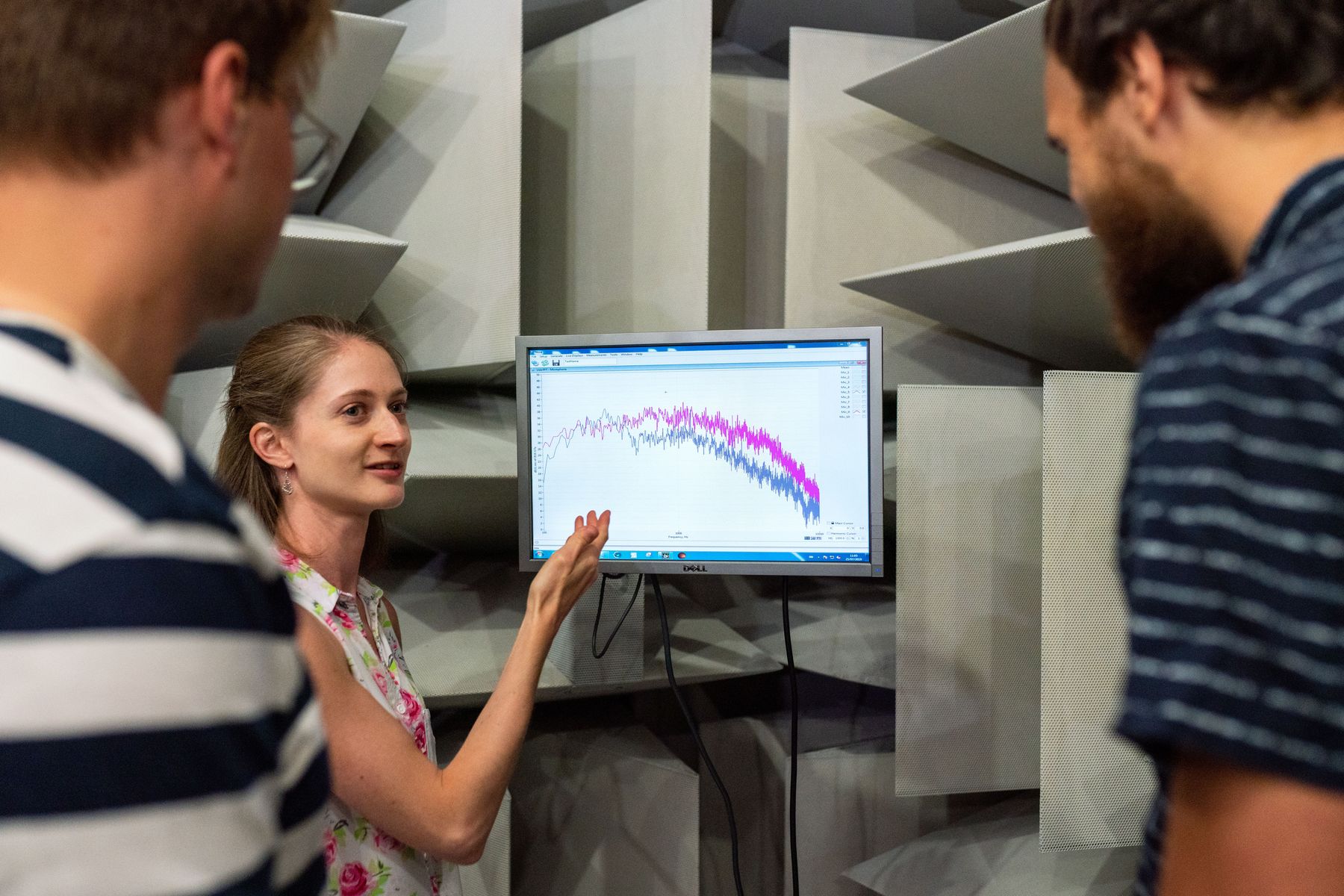
Cross-functional review — translating safety findings into decisions

Data interpretation — reading a dataset rather than receiving it

Mechanistic investigation underpinning safety position

GLP-standard facilities and outsourced study oversight

CRO deliverables held to submission quality

Study execution across internal and external laboratories
Drag to browse